Minecraft Therapy
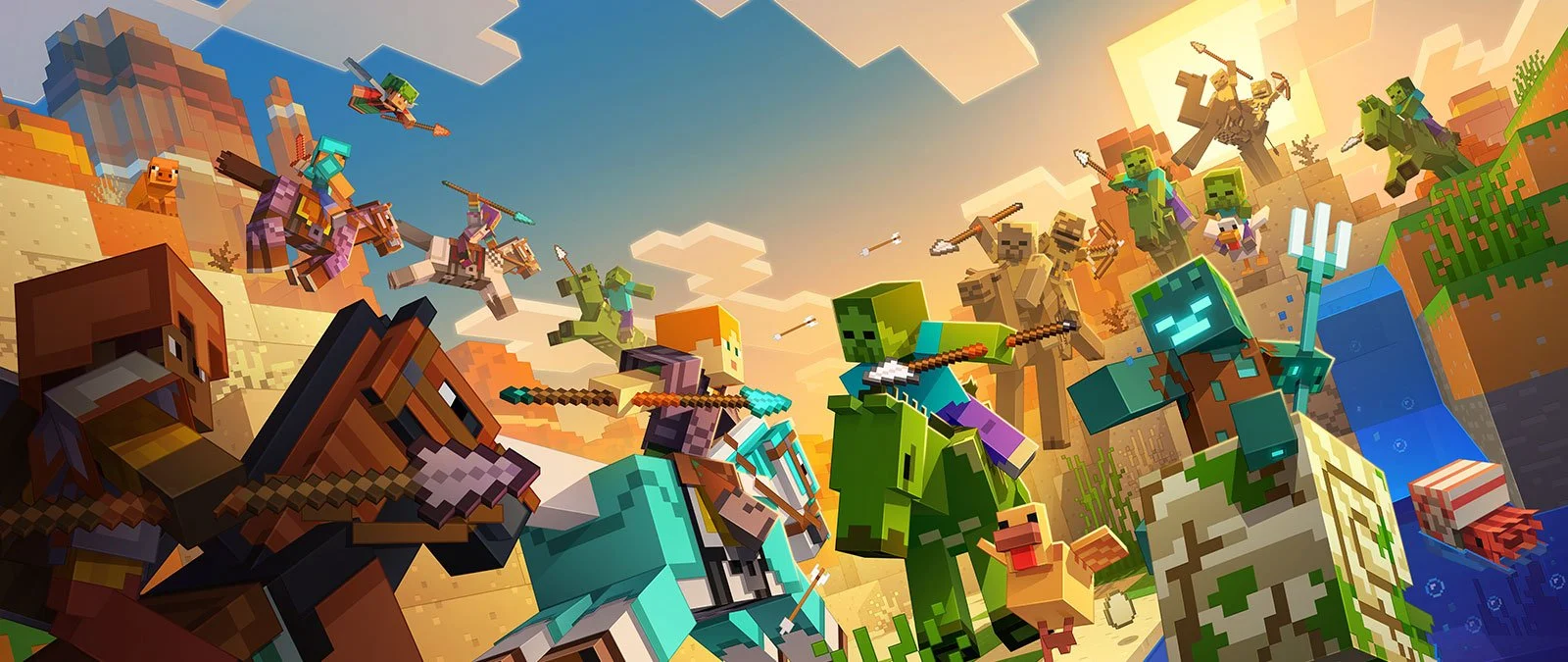
Minecraft therapy is an experiential approach that uses gameplay, creativity, and shared worlds to support emotional growth and connection.
Rather than staying only in conversation, clients can do. We work together to build, explore, and collaborate in a virtual space. We navigate challenges together by practicing new ways of coping and relating in real time.
Overview
Why It Works
This approach draws from evidence-based practices such as:
• experiential therapy
• play therapy
• narrative therapy
• cognitive behavioral therapy (CBT)
• social learning theory
• trauma-informed care
What It Actually Is
In sessions, you’ll enter a shared Minecraft world where you decide what to build, explore, or take on. Through this process, we explore:
• decision-making
• emotional regulation
• collaboration vs independence
• communication in shared spaces
• flexibility when plans change
• problem-solving & frustration tolerance
Who This Is For
Minecraft therapy can be especially helpful for:
• kids, teens, and young adults
• neurodivergent individuals
• clients who prefer hands-on or interactive experiences
• those working on impulse control or decision-making
• those who struggle with focus or staying engaged in traditional therapy
• individuals working on social skills or collaboration
• clients who struggle with teamwork or trust
Your Questions, Answered
-
Not at all. No prior gaming experience is required. Everything is explained step-by-step, and the focus is never on learning a game. It’s on personal growth, connection, and emotional insight.
-
Yes. It utilizes therapeutic roleplaying. These structured clinician-facilitated experiences are grounded in evidence-informed approaches. While creativity is part of the process, each session is guided with clear therapeutic intention.
-
Coverage varies depending on your plan and whether services are provided as group or individual therapy. I recommend contacting your insurance provider to understand your group therapy benefits, and I’m happy to provide documentation when possible.
-
It is often in a small-group format of 4-6 people because it allows clients to practice communication, boundaries, teamwork, and relational skills in real time. Individual options may be available depending on clinical needs.
If you’d like to learn more about this topic, upcoming groups, or whether this approach may be a good fit for you, feel free to reach out or click below to receive additional details and next steps.