Dungeons & Dragons Inspired Therapy

Dungeons & Dragons (D&D) therapy uses therapeutic role-playing, an experiential approach that uses collaborative storytelling to support emotional growth.
Instead of only talking about challenges, clients get to practice new ways of thinking, relating, and responding in real time — within a supportive and structured environment.
Overview
Why It Works
This approach draws from evidence-based practices such as:
• narrative therapy
• parts work
• experiential therapy
• trauma-informed care
• interpersonal process
What It Actually Is
In sessions, you’ll create a character who goes on meaningful adventures with others. The adventures often mirror real-life themes such as:
• identity
• belonging
• anxiety
• boundaries
• trust
• self-confidence
• emotional expression
Who This Is For
Therapeutic roleplaying can be especially helpful for:
• teens and young adults
• neurodivergent individuals
• socially anxious clients
• anyone wanting to try a different type of therapy
• clients who struggle with traditional talk therapy
• people who feel deeply but find it hard to express
What You'll Learn
Dungeons & Dragons (D&D) therapy is a collaborative storytelling experience in which participants build characters and navigate scenarios together, offering unique opportunities for creativity, reflection, and personal growth. This approach encourages reflection as much as action. You’ll walk away not only having fun, but with a deeper understanding of how to approach things. The goal is to leave you with skills that you can apply meaningfully in your life.
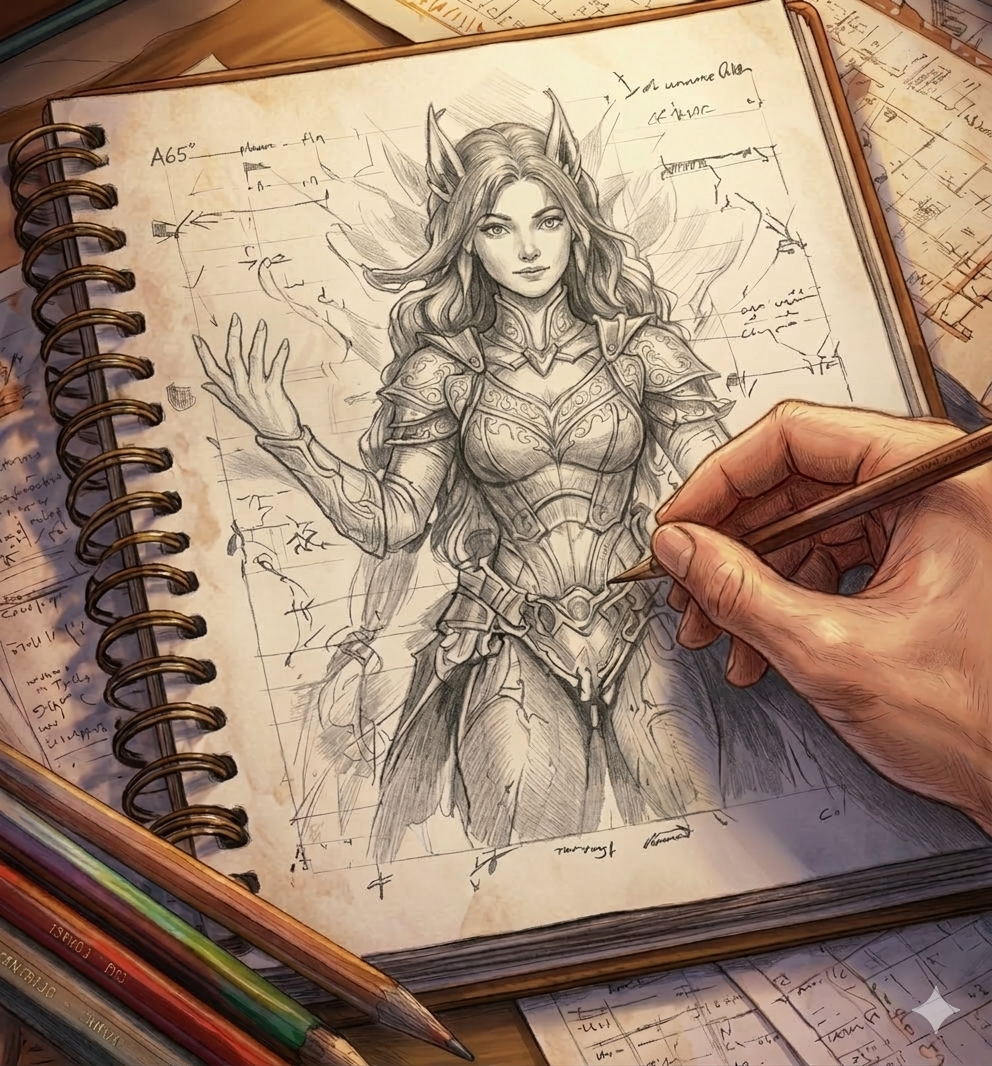
Character CreationMain Character Energy
In sessions, you’ll create a character who goes on meaningful adventures with others. You will choose the qualities that make your character unique. Highlighting what motivates them, what challenges them, and how they relate to others.
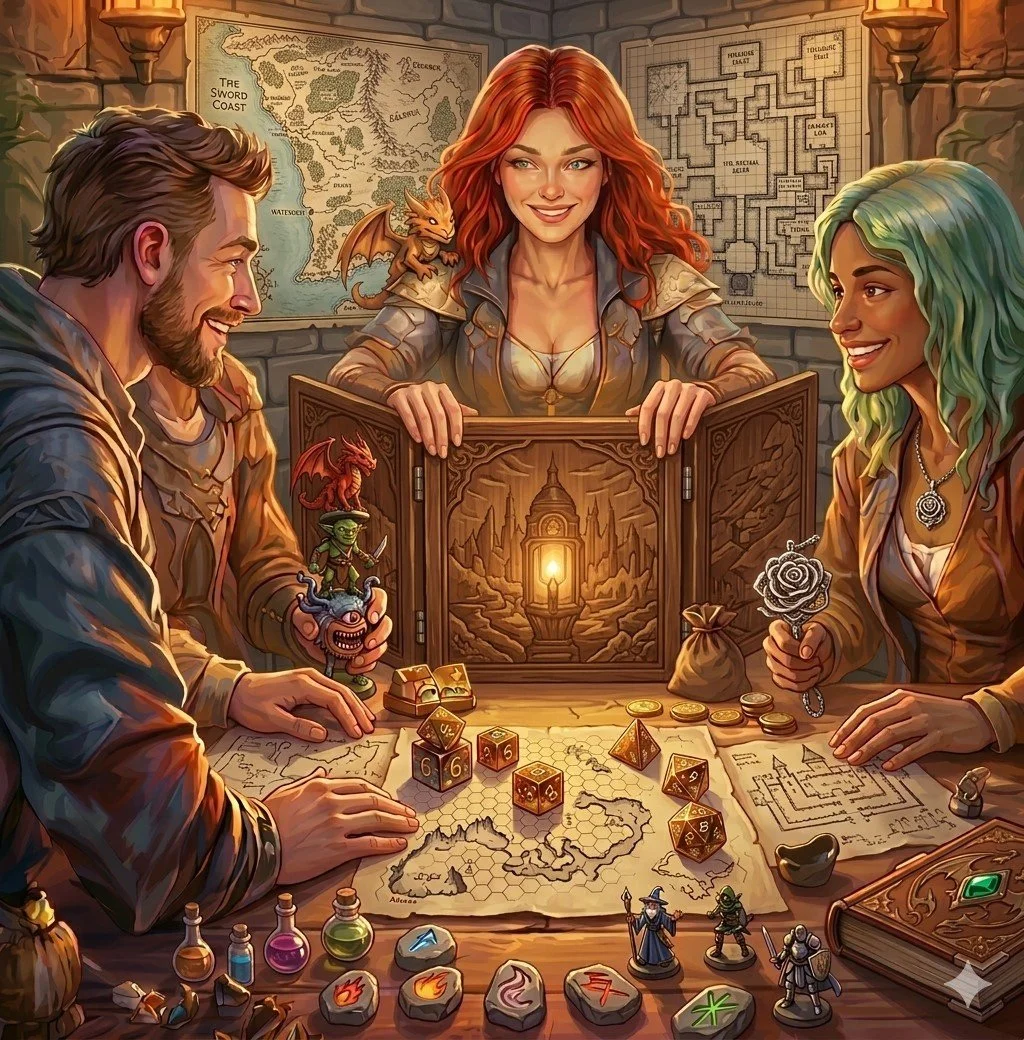
CampaignCollaborative story telling
You and your group of fellow adventurers will travel on a therapist-guided journey together, Along the way, you may face obstacles, make decisions, build alliances, and discover strengths you didn’t know you had.
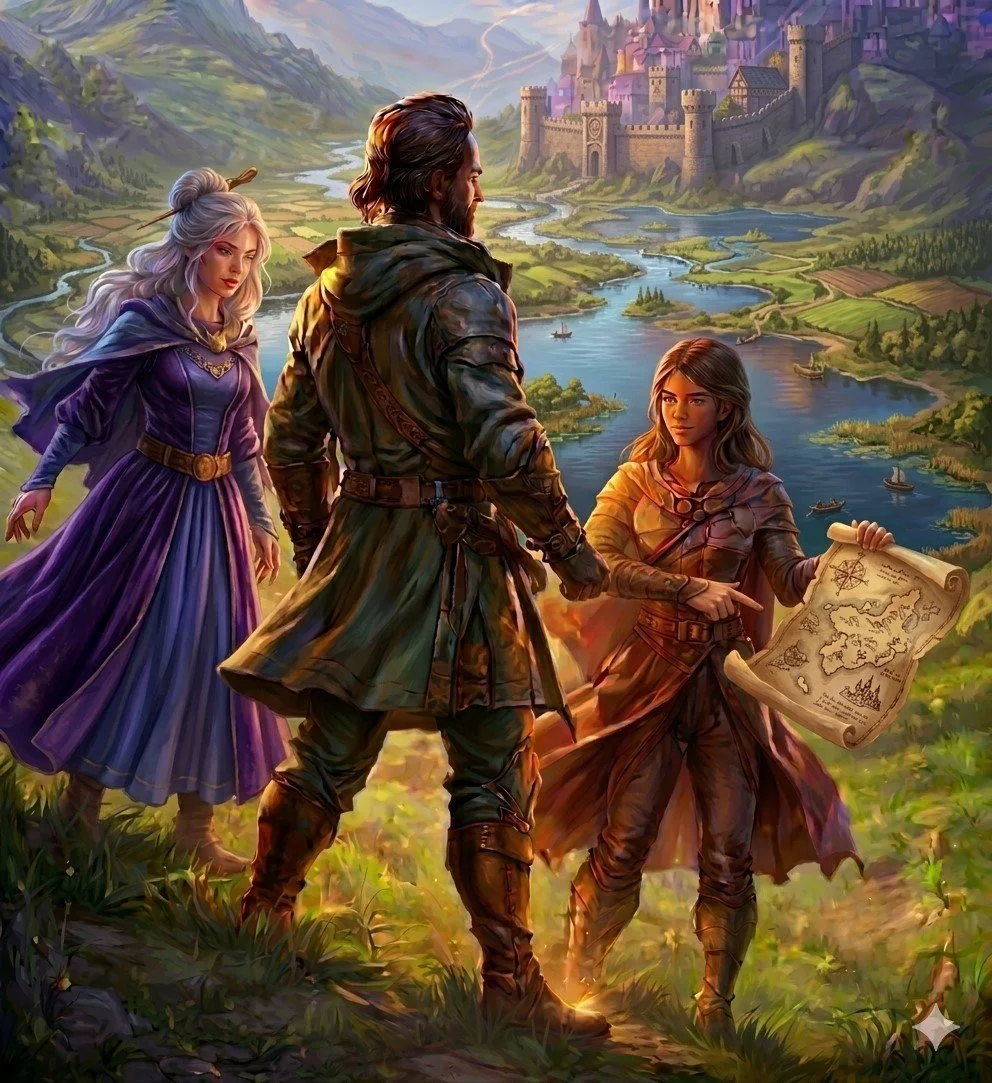
Problem Solving QuestsConnect gameplay to IRL
Discover how to connect your experience to real world growth. You’ll practice communication and flexibility while integrating growth in a supportive space.
Your Questions, Answered
-
Not at all. No prior gaming experience is required. Everything is explained step-by-step, and the focus is never on learning a game. It’s on personal growth, connection, and emotional insight.
-
Yes. It utilizes therapeutic roleplaying. These structured clinician-facilitated experiences are grounded in evidence-informed approaches. While creativity is part of the process, each session is guided with clear therapeutic intention.
-
Coverage varies depending on your plan and whether services are provided as group or individual therapy. I recommend contacting your insurance provider to understand your benefits, and I’m happy to provide documentation when possible.
-
It is often in a small-group format of 4-6 people because it allows clients to practice communication, boundaries, teamwork, and relational skills in real time. Individual options may be available depending on clinical needs.
-
Never. Participation is always at your comfort level. Some clients naturally immerse themselves in the story, while others prefer a slower pace. Both are welcome.
If you’d like to learn more about this topic, upcoming groups, or whether this approach may be a good fit for you, feel free to reach out or click below to receive additional details and next steps.